The Chronic Health Issues Caused by Oxalates

Written by Dr. William Shaw
Oxalates are a group of organic acids that are highly acidic. In their base form, they can form salts with a variety of metals including magnesium, iron, manganese, and zinc as well as with highly toxic metals such as mercury and lead. Oxalates can also form as decomposition products of other chemicals such as vitamin C (ascorbic acid) and antifreeze (ethylene glycol). Although very commonly used as a nutrient in intravenous infusions, high doses of vitamin C can also break down to form oxalate stones.
Foods especially high in oxalates are often foods thought to be otherwise healthy, including spinach, beets, chocolate, peanuts, wheat bran, tea, cashews, pecans, almonds, berries, and many others. For a full list of high oxalate foods, see below. People now frequently consume “red and green smoothies” in an effort to eat “clean” and get healthy, however, they may actually be sabotaging their health. Spinach, berries and nuts, common ingredients of green smoothies are loaded with oxalates.
Even frequent consumption of iced tea has been reported to be lethal due to the deposition of oxalates in the kidneys. The New England Journal of Medicine reported acute oxalate nephropathy “almost certainly due to excessive consumption of iced tea” in a 56-year-old man, who drank “sixteen 8-ounce glasses of iced tea daily” (roughly 3.8 liters).
Although plant foods are the greatest source of oxalates, gelatin and collagen derived from animal sources are very high in hydroxyproline which can be converted to oxalates in the body. Molds such as Aspergillus and Penicillium species can also be major sources of oxalates and also form toxic organic acids such as tartaric acid, furandicarboxylic acid, and formic acid (the stinging acid in ant bites). In addition to kidney stones, oxalates have been found to play a role in autism, vulvodynia, and atherosclerosis.
Deposits of oxalates have also been found in the sinuses, heart, eyes, muscles, brain, joints, and the thyroid gland. Deposits of oxalates have been found in virtually every organ of the body. The highly insoluble iron(II) oxalate appears to play a major role in gout although gout is primarily due to high uric acid. The iron oxalate crystals begin to form and grow together with crystals of sodium urate. This explains why gout usually appears after age 40, when iron levels rise to high levels.
One of the first studies to evaluate the toxicity of oxalates was that of the Campbell Soup Company which wanted to decide which vegetables were most suited for their soups. Spinach was found to be the most unsuitable:
“If to a diet of meat, peas, carrots and sweet potatoes, relatively low in calcium but permitting good though not maximum growth and bone formation, spinach is added to the extent of about 8% to supply 60% of the calcium, a high percentage of deaths occurs among rats fed between the age of 21 and 90 days. Reproduction is impossible. The bones are extremely low in calcium, tooth structure is disorganized and dentine poorly calcified. Spinach not only supplies no available calcium but renders unavailable considerable of that of the other foods. Considerable amounts of the oxalate appear in the urine, much more in the feces.”
Based on this study, I would conclude that spinach is a toxic food unless it is being used only in small amounts as a garnish. A number of supplements mentioned below can help to reduce the production of oxalates in the body or to reduce its absorption from the gastrointestinal tract.

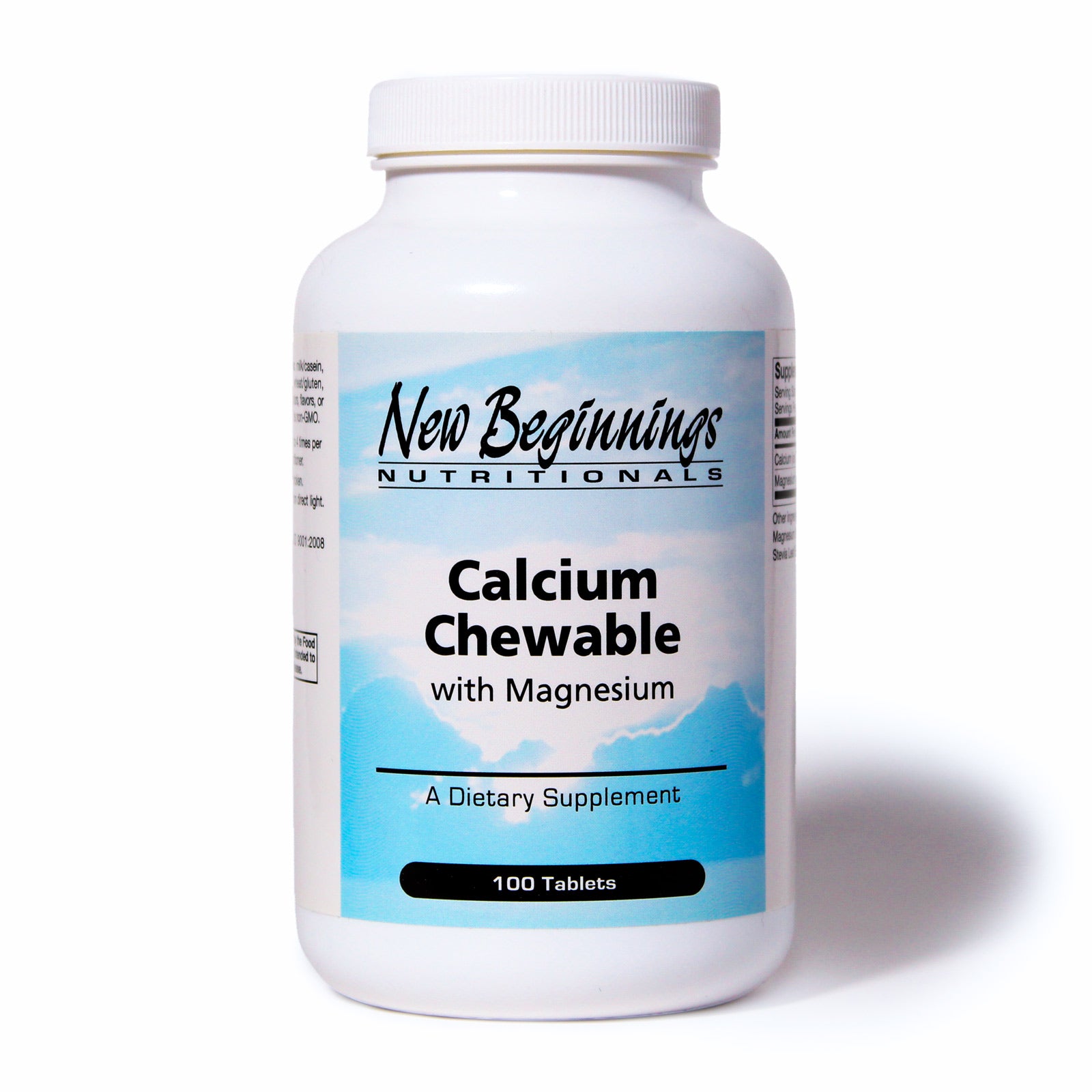
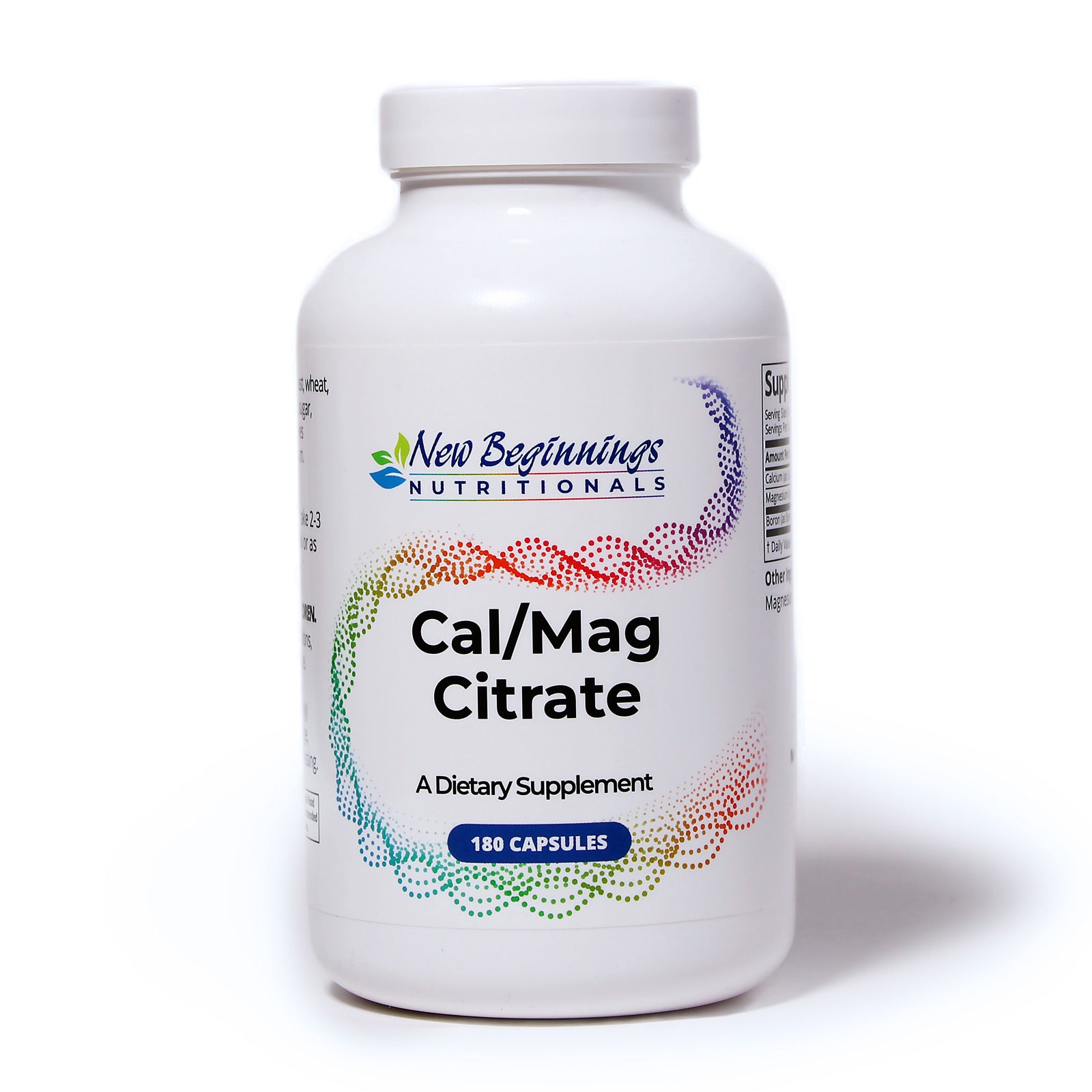
How do you know if you have high oxalates? The Oxalic Acid is a marker that can be found on the MosaicDX Organic Acid Test. There are supplements that can help if you or a loved one are suffering from high oxalates. Calcium and magnesium citrate salts are one of the most effective means to reduce absorption of oxalates from foods in the gastrointestinal tract and are available from New Beginnings. In fact, our Calcium Chewable w/ Magnesium and Cal/Mag Citrate Capsules are great products to take at mealtimes with higher oxalate meals. The calcium and magnesium citrate bind with oxalates, allowing them to be excreted safely through the stool. The citrate form of these minerals are needed to be effective.

Vitamin B6 stimulates the movement of oxalate precursors to glycine instead of oxalates. It has been shown that B6 deficiency can lead to increased oxalate production in the body. Because vitamin B6 deficiency is common, supplementing with 30–100 mg per day (higher ranges for adults) of vitamin B6 daily can help prevent high oxalates as well.

If an individual has been exposed to mold, undergoing treatment for mold toxicity, or has lab values that show high levels of mycotoxins, it is possible that mold might be colonized in the gut as well. Mold and Candida overgrowth can also contribute to high oxalates. Antifungals and probiotics are also useful to prevent the production of oxalates from molds and Candida. Probiotics such as Visbiome and LactoPrime Plus contain helpful oxalate degrading beneficial bacteria. Along with natural antifungal combinations such as our highly effective Candida Formula & Candida Yeast Formula, these supplements can help reduce candida and colonized mold in the gut which then can result in lower oxalate levels.
I have recorded the “The Chronic Health Issues Caused by Oxalates” webinar that I have made available for free for those wishing more in-depth information on the research and treatment considerations regarding high oxalate related health issues.