The Story of Lithium Deficiency

Written by Dr. William Shaw
Lithium has a fascinating history and is believed to have been one of the three elements formed at the time of The Big Bang formation of the universe along with hydrogen and helium. For a period of time, certain soda pop companies utilized high lithium water in the production of their products. The famous 7UP soda was one of these products and the Number 7 in the name of this product is derived from the fact that seven is the atomic weight of lithium.
However, in the 1950s, the FDA required the soft drink manufacturers to remove lithium from their products since they considered the benefits advertised by these products to be drug claims.
I am old enough to remember when bottled water first became available. Today, bottled water is the second most popular commercial beverage in the United States. Bottled water became increasingly purified so that today bottled water contains very few minerals, including lithium. In addition, many households use water purification systems that filter harmful toxins out of their drinking water and unfortunately all the helpful minerals as well. Why is that problematic? The body requires adequate minerals for a variety of health reasons, and this move towards purified water has left us lacking in some important ways.

Lithium is one of the key elements in municipal water that was increasingly removed from bottled water and home water purification systems. I suspect that the marked increase in the rate of autism in the 1980s was at least partially due to the switch from lithium-containing tap water to low or zero-lithium bottled or filtered water. A number of studies throughout the world have shown that cities with low lithium in their tap water have much higher rates of suicide. Similar studies have shown cities with low lithium in their tap water have much higher rates of crime overall, as well as murder suicide drug abuse and other social ills.
Doctor Jim Adams, an autism researcher, found that low amounts of lithium in the hair were common in mothers of children with autism and the children of autism themselves. At the Great Plains Laboratory, I found that low lithium in the hair was extremely common in children with autism and in other individuals with severe mental diseases like schizophrenia. At a conference attended mostly by autistic parents, a show of hands indicated about 75% of the attendees were drinking purified water. A provisional Recommended Daily Allowance (RDA) for a 70 kg adult is 1,000 mcg/day (about 1% of the dose of pharmaceutical lithium which is sometimes used to treat bi-polar depression).

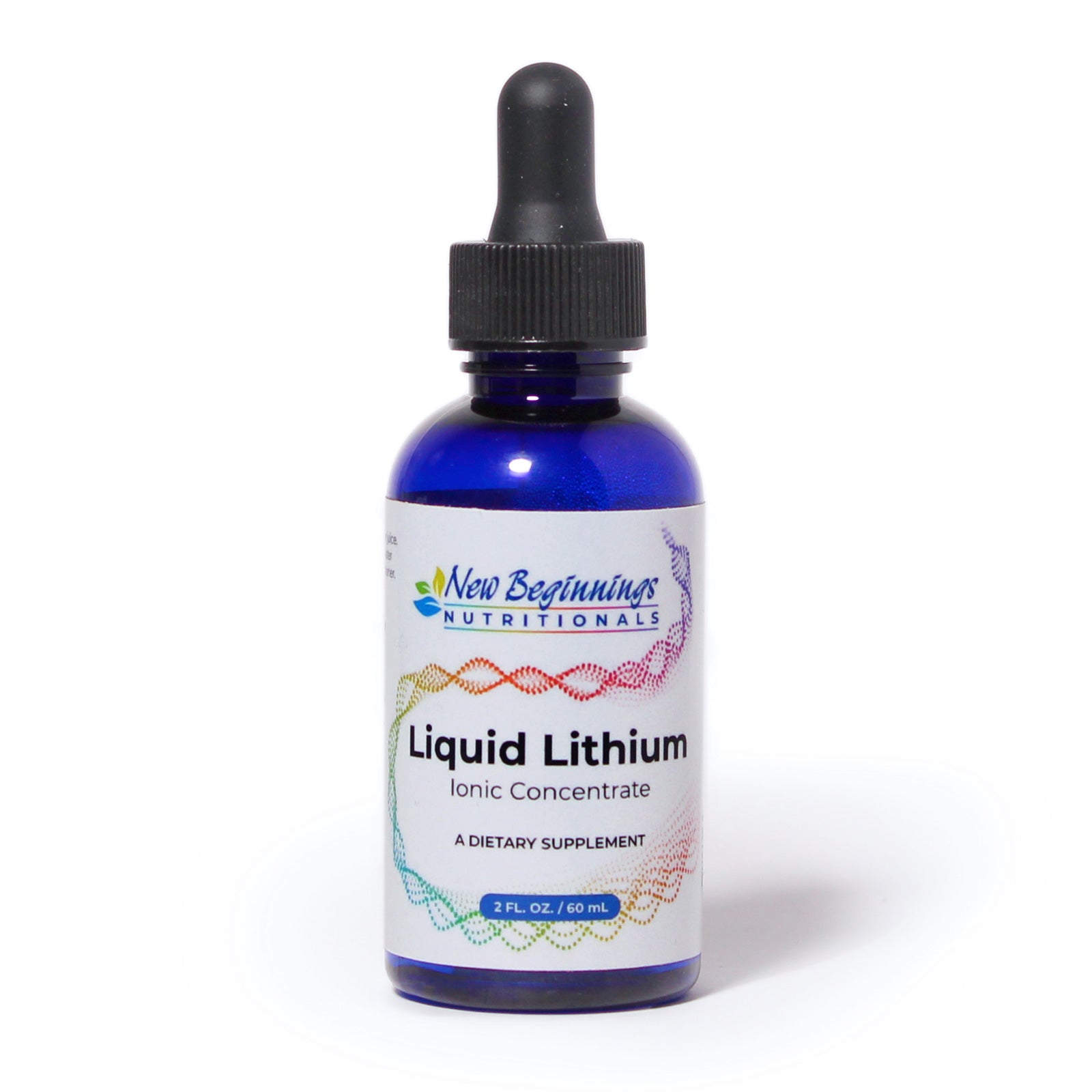
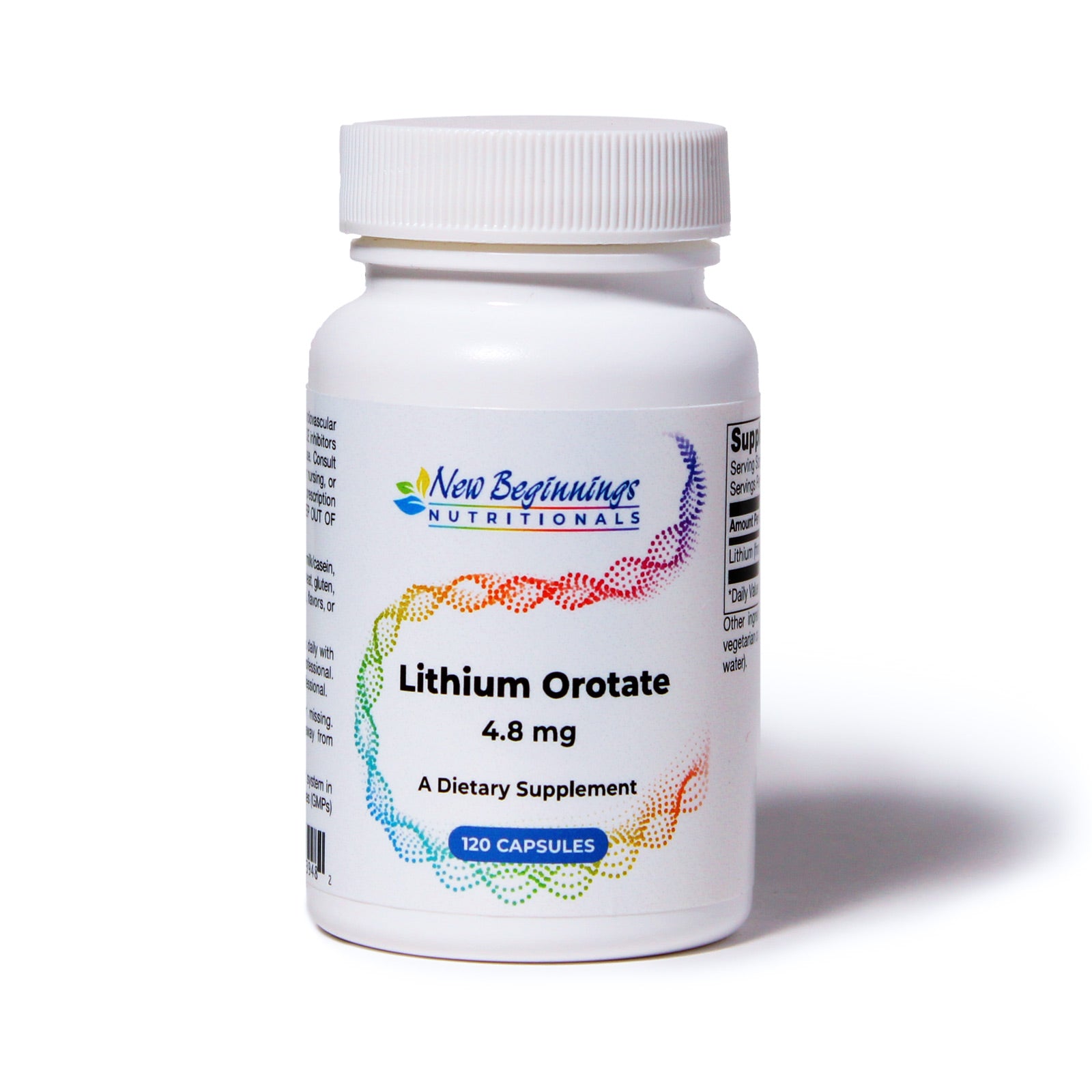
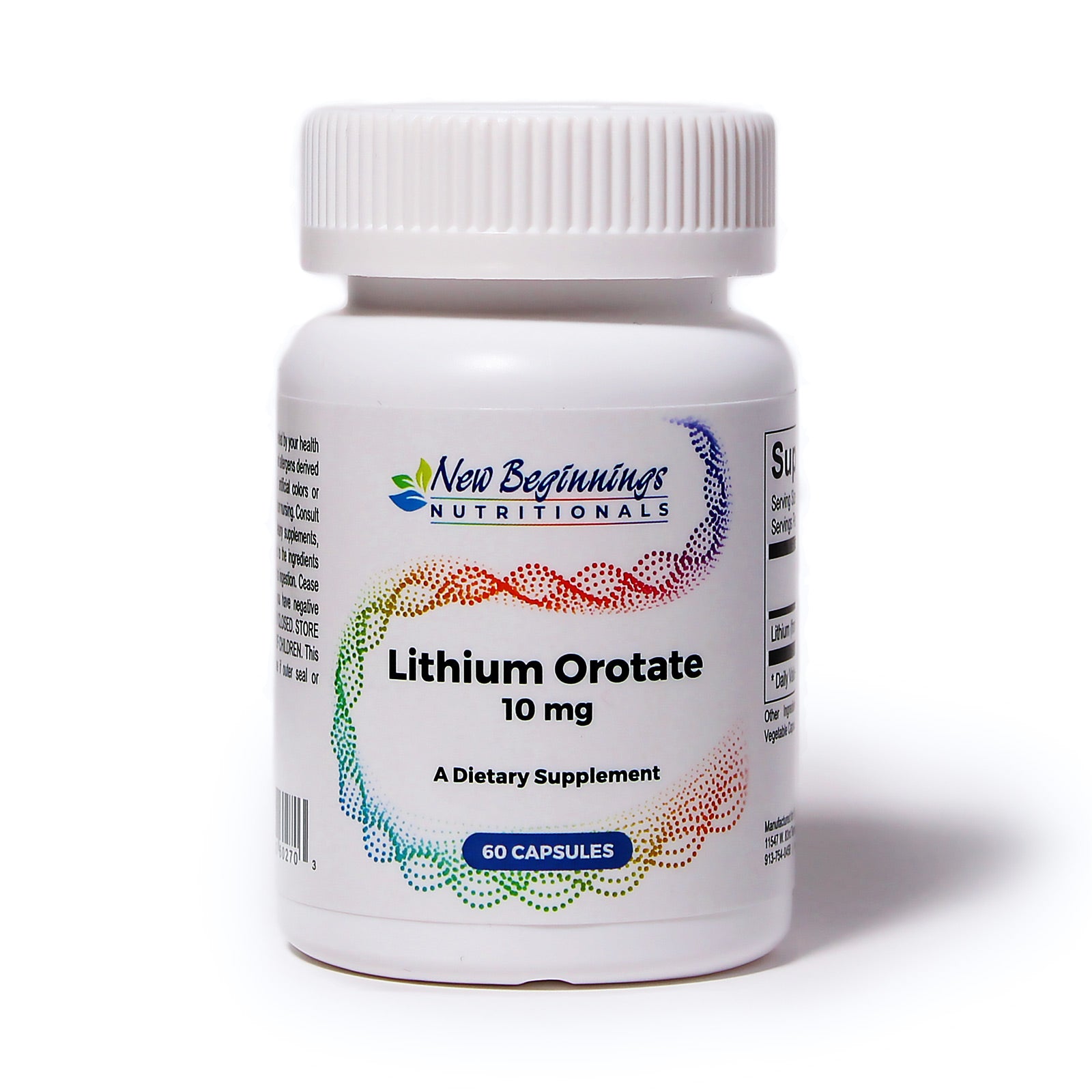
And it is very important to note that supplemental lithium is very different from pharmaceutical lithium. New Beginnings has lithium supplements that provide from 250 micrograms (ionic liquid formulation) dosing up to 10 milligrams of lithium per day which is still only a tiny fraction of the amount of lithium that is available in pharmaceutical products. I myself have taken 4.8 milligrams of lithium every day for years now. Children and very sensitive individuals benefit from the liquid drops that allow for microgram dosing while the 4.8 capsules are often most suitable for adults. Individuals who need extra support for dementia, mood and/or anger issues often benefit most from the 10 mg dose capsules.
I am familiar with multiple cases in which lithium supplements were used for patients with low lithium in the hair. In virtually every case in which lithium was added as a supplement, the results were very positive and beneficial.

Lithium plays a role in the function of several enzymes, hormones, and vitamins, as well as with growth and transforming factors making it a critical mineral to have enough of. In addition, lithium is required by the body to induce a neurotrophic factor in the brain to protect against excitotoxins, to stimulate the division of brain stem cells, and as one study showed, to stimulate brain repair (by showing that gray matter increased 3% after lithium supplementation).
If you or a loved one is suffering from mood (struggles with anger outbursts and irritability), cognitive, or behavioral issues, has a neurodegenerative disorder such as Alzheimer’s, Parkinson's, dementia, or is on the autism spectrum, lithium supplementation should be considered. A metals hair test is an easy yet accurate way to determine if actual lithium deficiencies exist, but due to its excellent safety profile, many doctors are willing to recommend lithium supplementation solely based on symptoms, to see if it helps their patients. Low-dose lithium supplementation is safe and can be beneficial, even without an existing deficiency.